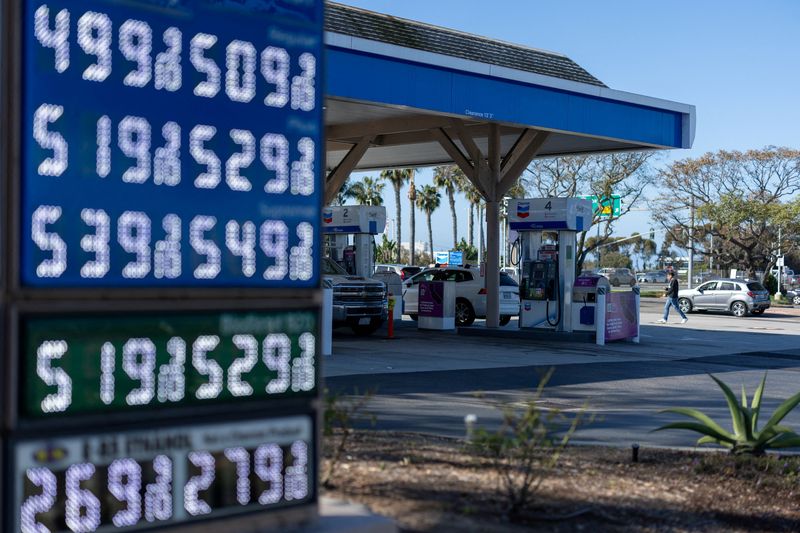
US Pump Prices Surge: Why Core Content is Hard to Find
The familiar sting at the pump is an unwelcome constant for many American drivers. When US pump prices surge, it sends ripples through household budgets, business operations, and the national economy. Yet, amidst the flurry of headlines and social media chatter, truly insightful, core content explaining why these surges occur and what they mean can be surprisingly elusive. Like searching for a needle in a digital haystack, navigating the internet often leads to a frustrating experience, where vital information is obscured by navigation menus, aggregated news snippets, and surface-level analysis, leaving the curious consumer or analyst wanting more.
This article delves into the complexities of why US pump prices surge, exploring the underlying market dynamics. More critically, it addresses the paradox of information abundance: why, despite countless news sources, finding deep, analytical content on this critical topic often feels like an impossible quest. We’ll uncover the forces at play, offer strategies for sifting through the digital noise, and guide you towards more substantive insights.
The Unseen Forces Behind Rising US Pump Prices
A surge in US pump prices is rarely attributable to a single factor. Instead, it’s a complex interplay of global and domestic forces that dictates what consumers pay at the gas station. Understanding these core drivers is the first step toward deciphering the market's behavior:
- Global Crude Oil Prices: This is the most significant determinant, typically accounting for 50-60% of the price of gasoline. Crude oil is a global commodity, and its price is influenced by supply and demand dynamics worldwide. Factors like OPEC+ production quotas, political instability in oil-producing regions (e.g., the Middle East, Russia/Ukraine), and even natural disasters impacting drilling operations or shipping routes can cause crude oil prices to spike, directly impacting US pump prices.
- Refinery Capacity and Output: Gasoline isn't crude oil; it's a refined product. The capacity of refineries to process crude into gasoline, diesel, and other products is crucial. Unexpected shutdowns due to maintenance, fires, or extreme weather events (like hurricanes in the Gulf Coast) can tighten supply and drive up prices, particularly in regional markets. Bottlenecks in the refining process can have a disproportionate effect, even if crude oil supply is abundant.
- Seasonal Demand Fluctuations: Summer driving season, with increased vacation travel, naturally leads to higher demand for gasoline. Holidays also contribute to spikes in consumption. Refineries often switch to producing different gasoline blends for summer (which are less volatile and more expensive to produce) and winter, further adding to seasonal price variations.
- Geopolitical Events and Sanctions: Conflicts, embargoes, or sanctions against major oil producers can severely disrupt global supply chains and create uncertainty in the market, pushing crude oil prices higher. Even the threat of such events can lead traders to bid up prices.
- Taxes and Distribution Costs: State and federal taxes, along with costs for transportation, marketing, and retailer profit margins, also contribute to the final price at the pump. These components can vary significantly by state and region.
- The Strength of the US Dollar: Since crude oil is priced in US dollars globally, a weaker dollar makes oil cheaper for countries with stronger currencies, potentially increasing demand and indirectly affecting US prices. Conversely, a strong dollar can make oil cheaper for US buyers, though this effect is often overshadowed by other factors.
These intricate connections form the bedrock of understanding gas price movements. Yet, finding readily available, comprehensive articles that break down these factors with depth and nuance – instead of just reporting the current price – is often the challenge.
Navigating the Digital Noise: Why In-Depth Analysis Eludes Us
The internet promised an age of boundless information, yet when it comes to understanding complex issues like why US pump prices surge, the reality often falls short. Many users find themselves endlessly clicking through navigation menus, lists of unrelated articles, or aggregated news snippets that merely state the obvious without offering profound insights. This experience mirrors the frustrations highlighted in the reference context, where core article text about our specific topic was conspicuously absent across various popular platforms.
The problem stems from several factors inherent in the modern digital landscape:
- Information Overload, Analysis Underload: We are awash in data, but critical analysis is a rarer commodity. Many news sites prioritize speed and breadth over depth, offering headlines and short summaries rather than investigative pieces that unpack the multifaceted reasons behind market shifts.
- Aggregation vs. Original Reporting: A significant portion of online content is aggregated from other sources. While useful for quick updates, this often means recycling existing information rather than generating new, detailed explanations or fresh perspectives. This can lead to a shallow pool of truly original content.
- Ephemeral Nature of News Cycles: Online news is designed for immediacy. A story about a pump price surge might be prominent for a day or two, only to be quickly replaced by the next trending topic. This short shelf-life makes it difficult to find enduring, comprehensive resources that evolve with the market.
- Algorithmic Curation Challenges: Search engines and news aggregators use algorithms that prioritize recency, popularity, and keyword matching. While efficient, this can sometimes push genuinely insightful but less frequently updated or less "viral" content further down the results page.
- The "Article Text" Problem: As observed in our foundational research, many online pages are structurally designed with a focus on navigation, advertisements, and related links rather than a contiguous, deep dive into a single subject. This makes extracting substantial, standalone article text a significant challenge for automated systems and human readers alike. For those actively seeking profound explanations, this common web design can be a significant barrier. Readers often click into an article hoping for substance, only to find a brief overview surrounded by links to other, equally brief pieces. This makes The Hunt for US Fuel Price Insights: Missing Article Text a very real dilemma for anyone trying to understand the nuances of the energy market.
To truly grasp why US pump prices surge, one must often look beyond the superficial and seek out specialized sources dedicated to energy economics and market analysis.
Essential Data Points and Where to Find Them (Beyond the Clickbait)
When US pump prices surge, relying solely on general news headlines won't provide the full picture. To gain a deeper understanding and even anticipate future movements, you need to access specific, reliable data and expert analysis. Here's what to look for and where to find it, helping you move Tracking US Gas Prices: Beyond Navigation Menus and Sidebars:
Key Data Points to Monitor:
- Crude Oil Benchmarks: Keep an eye on the prices of West Texas Intermediate (WTI) and Brent Crude. These are global benchmarks, and their fluctuations are immediate indicators of shifts in the global oil market. Strong movements here almost always presage changes at the pump.
- EIA Reports: The U.S. Energy Information Administration (EIA) publishes weekly petroleum status reports. These detailed reports include crucial data on crude oil inventories, gasoline stocks, refinery utilization rates, and demand figures. These are invaluable for understanding domestic supply and consumption dynamics.
- Refinery Margins: Also known as crack spreads, these indicate the profitability of turning crude oil into gasoline. High crack spreads can signal tight gasoline supply relative to crude, suggesting upward pressure on pump prices.
- Geopolitical News: Stay informed about events in major oil-producing regions. Political instability, conflicts, or significant policy changes in countries like Saudi Arabia, Russia, or Venezuela can have immediate effects on global oil supply and pricing.
- Forex (Foreign Exchange) Rates: Specifically, the strength of the US dollar against other major currencies can indirectly influence oil prices.
Reliable Sources for Core Content:
To cut through the digital noise and find the meaningful "article text" on US pump prices surge, focus on authoritative sources:
- U.S. Energy Information Administration (EIA): This is arguably the gold standard for U.S. energy data. Their website (www.eia.gov) provides comprehensive reports, forecasts, and analyses on all aspects of energy, including gasoline prices. Look for their "Today in Energy" articles, weekly reports, and short-term energy outlooks.
- Reputable Financial News Outlets: Major business news organizations like Bloomberg, The Wall Street Journal, and Reuters have dedicated energy sections staffed by expert journalists and analysts. They often provide deeper dives into market mechanics and geopolitical impacts.
- Specialized Energy Publications and Research Firms: Sites like S&P Global Platts, Argus Media, and other industry-specific intelligence providers offer highly detailed market analysis, though some content may be subscription-based. These are where professionals in the energy sector get their insights.
- Central Banks and Economic Think Tanks: Institutions like the Federal Reserve or reputable economic research organizations sometimes publish analyses on energy prices' impact on inflation and the broader economy, providing a macroeconomic perspective.
By proactively seeking out these types of sources and monitoring these key data points, you can move beyond mere price reporting to truly comprehend the intricate forces that drive gasoline costs. Understanding why prices are rising empowers consumers and businesses to make more informed decisions.
Impact on Consumers and the Wider Economy
When US pump prices surge and remain elevated, the effects are widespread. For consumers, it translates directly into reduced discretionary income, forcing difficult choices between essential spending and other needs. Travel plans are often curtailed, and daily commutes become more expensive. Small businesses, particularly those reliant on transportation for deliveries or services, face higher operating costs, which can lead to increased prices for goods and services across the board. This ripple effect contributes to broader inflationary pressures, impacting everything from groceries to manufactured goods. The sustained pressure from high fuel costs can slow economic growth and reduce consumer confidence, making the search for clear, actionable insights into fuel price dynamics even more critical for both personal finance and economic stability.
Conclusion
The phenomenon of US pump prices surging is a recurring economic challenge that impacts nearly every American. While the immediate effect on wallets is undeniable, understanding the complex interplay of global supply, refining capacity, geopolitical events, and domestic demand requires a deeper dive than general news often provides. The digital age, paradoxically, has made finding this core, insightful content more challenging, often burying substantive analysis beneath layers of navigation, advertisements, and superficial summaries.
However, by proactively seeking out authoritative sources like the EIA, reputable financial news, and specialized energy publications, consumers and analysts can arm themselves with the knowledge to comprehend these intricate market dynamics. Moving beyond the frustration of elusive information to actively track key data points is essential for making informed decisions in an economy constantly sensitive to the ebb and flow of fuel costs. True understanding begins with recognizing the complexity and knowing where to find the answers, allowing us to navigate the road ahead with greater clarity.